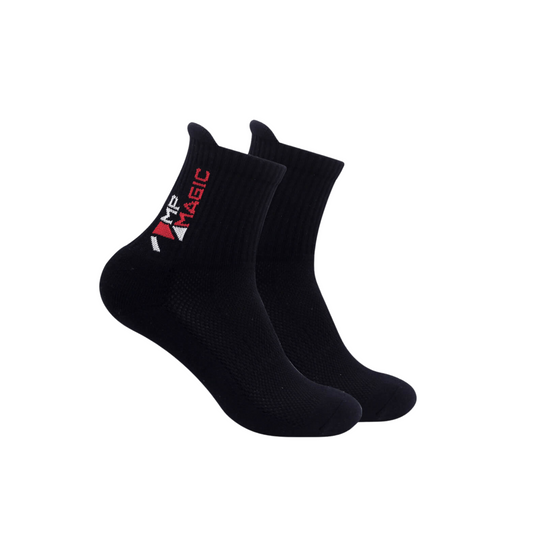
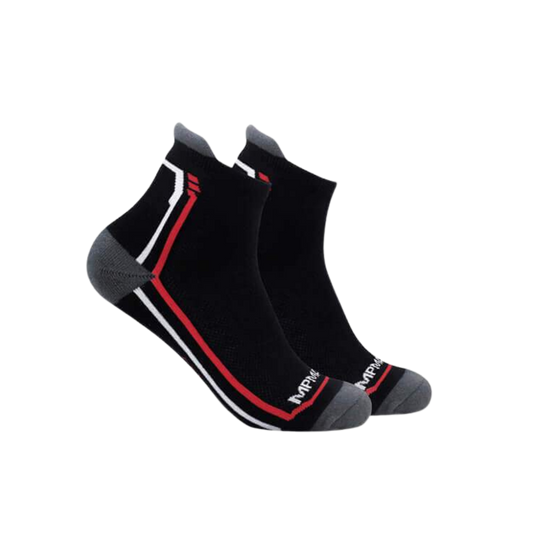
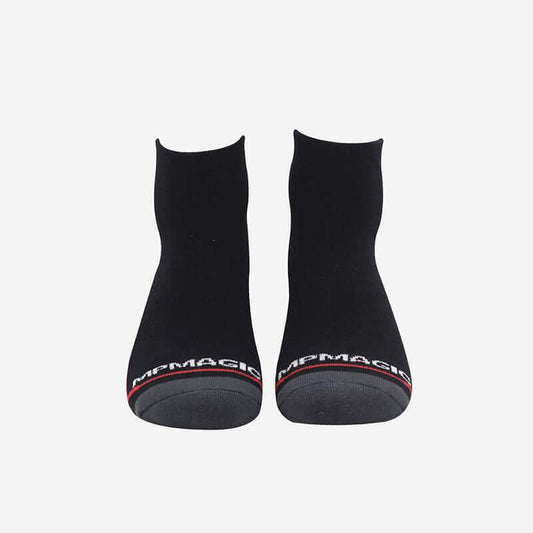
A pair of socks can look right in the drawer and still feel wrong once your shoes are on. The heel sits too far up, the toes feel pulled back, or a fold keeps returning under the arch. Ordering your usual letter size does not always solve it, especially when one brand's medium covers a different range from another's.
This guide explains sock sizes, the difference between sock and shoe numbers, and how to use MP Magic's product charts. You will also find a practical fitting routine for choosing between sizes and checking a pair in the footwear you actually wear.
Key Takeaways
- Match the size chart to the exact sock model and the correct shoe-size system.
- A sock number, a shoe number and a letter size describe different things; do not treat them as interchangeable.
- The heel pocket should sit around your heel, with smooth fabric beneath the foot and room for your toes.
- Choose thickness and cuff height separately from foot size.
Why Sock Size Is Not the Same as Shoe Size
A package marked with a sock-size number may use a sizing convention based on a foot-length range rather than the shoe number you normally buy. Other socks use S, M or L, with a shoe-size range beneath each letter. Neither format creates a universal conversion across brands.
The useful information is the chart attached to that product. Check whether its numbers refer to US men's shoes, US women's shoes, UK shoes, European sizes or foot length. A bare number without the system is incomplete information. Use the same system from beginning to end instead of converting repeatedly between charts.
Start with the Exact MP Magic Product Chart
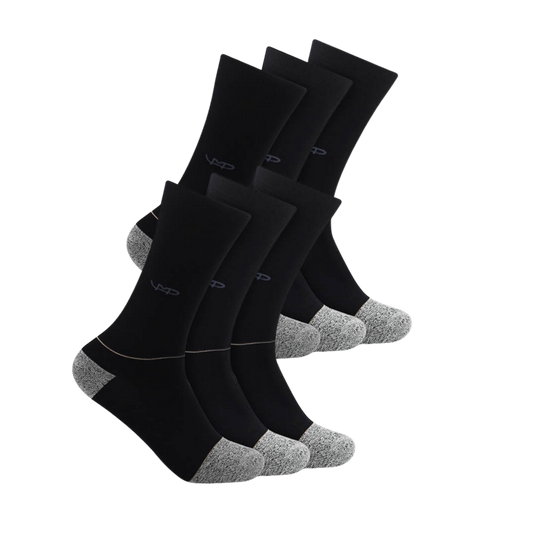
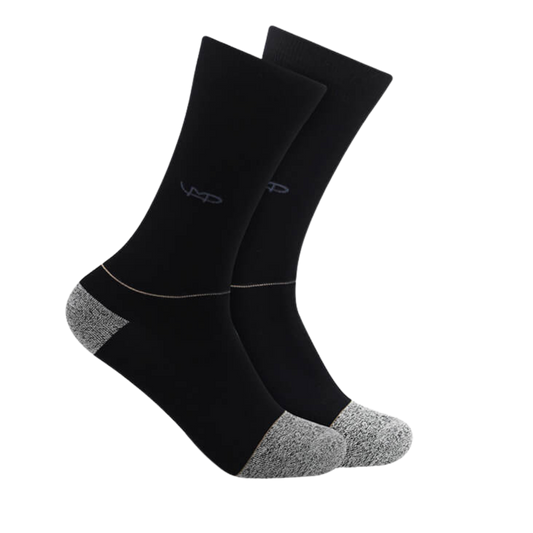
Our Lightweight Merino and Supima Cotton crews use different size ranges. The tables below reproduce the US shoe-size rows from their individual product charts; they are examples for those models, not a conversion for every MP sock.
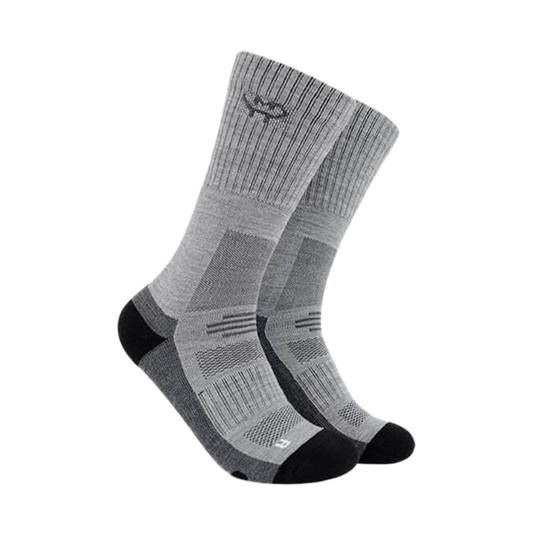
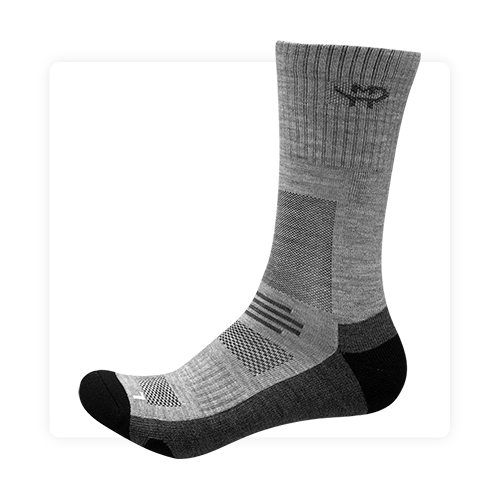
Lightweight Merino Wool Crew Socks
| Product size | US men's shoe size | US women's shoe size |
|---|---|---|
| S | 7–8.5 | 9–9.5 |
| M | 9–9.5 | 10–11.5 |
| L | 10–11.5 | 12–15 |
| XL | 12–15 | Not specified |
Use the chart on our Lightweight Merino Wool Crew Socks page when choosing that model. If your usual shoe size falls between the stated ranges, contact us with the model and your usual shoe size rather than guessing a new conversion.
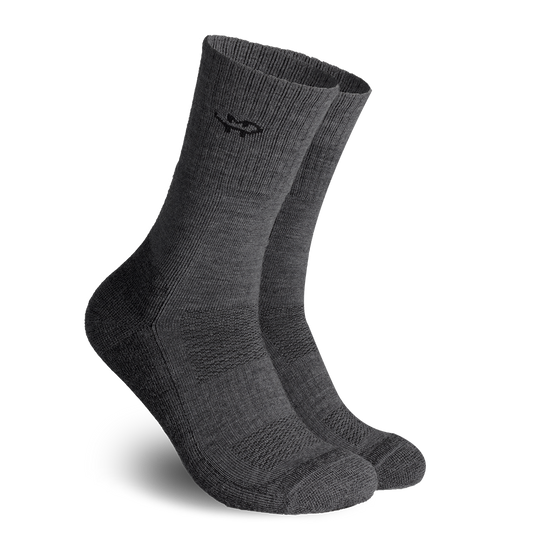
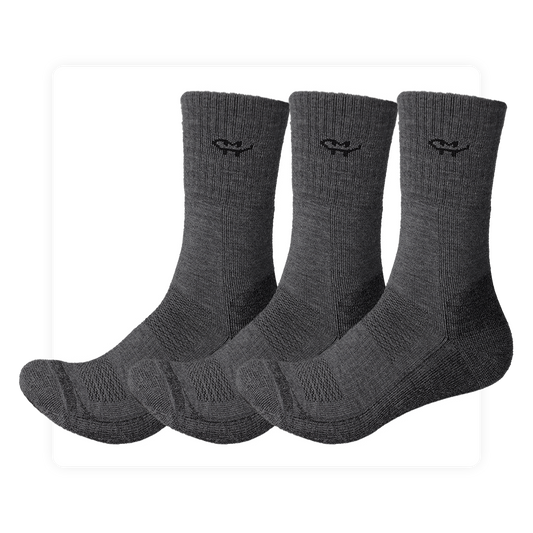
Supima Cotton Crew Socks
| Product size | US men's shoe size | US women's shoe size |
|---|---|---|
| M | 6–8.5 | 7–9.5 |
| L | 9–11.5 | 10–12.5 |
| XL | 12–14.5 | Not specified |
For example, a US men's size 9 falls in M for Lightweight Merino and L for Supima Cotton. That difference is exactly why a remembered letter size should not replace the Supima product chart.
How to Check the Fit in Five Minutes
- Position the heel. Put the sock on without stretching the cuff upward to force it into place. The shaped heel should wrap your heel.
- Smooth the sole. Check for folds beneath the arch, ball of the foot and toes.
- Move your toes. The fabric should follow the foot without pulling the toes back or leaving a loose pocket beyond them.
- Put on your usual shoes. Lace or fasten them normally. A sock can fit the foot while its padding takes up too much room in the shoe.
- Walk and sit. Take a short indoor walk and sit down. Recheck the heel and sole before committing to a longer day.

Too Big, Too Small or Simply the Wrong Thickness?
A heel pocket that climbs above the heel, spare fabric at the toes and recurring folds can suggest excess length. Fabric stretched tightly over the toes or a heel that will not reach its position can suggest too little length. These are clues to assess together, not a diagnosis from one wrinkle.
If the sock is smooth without shoes but becomes uncomfortable after you lace up, consider shoe volume. Going up a sock size to solve a tight shoe can create excess fabric. A lighter knit in the appropriate foot size may make more sense. Conversely, a thin sock cannot fill every loose shoe comfortably; address the shoe fit as well.
Foot Size, Sock Height and Cuff Feel Are Separate Choices
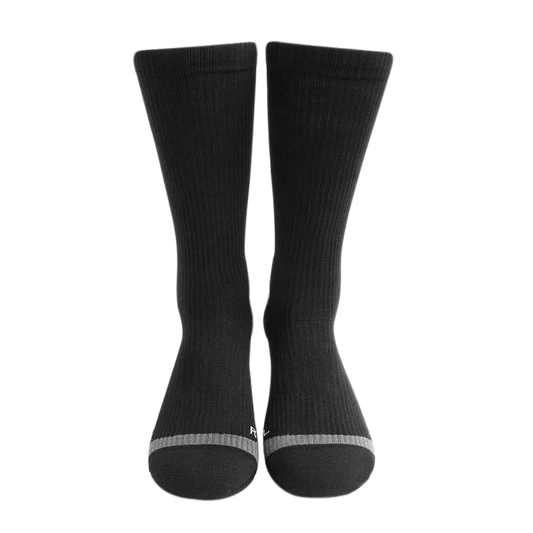
Crew describes height, not the size of the foot section. Our sock-length guide explains ankle, quarter, crew and knee-high coverage. Choose enough height to sit above your shoe collar, then use the product's foot-size chart.
Cuff comfort also depends on leg shape and construction. Do not keep stretching a correctly sized foot section upward to make a short cuff reach higher. If a cuff feels uncomfortable, reassess the style and fit. Numbness, persistent pain or skin problems deserve attention beyond a different sock size.
Choosing a Daily Pair
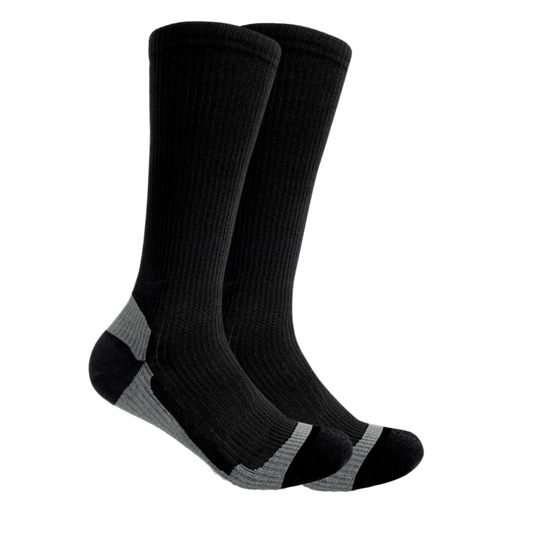
Our Supima Cotton crews offer a soft cotton-rich option; Lightweight Merino crews provide a lighter wool-blend alternative with mesh ventilation. Start with the appropriate chart, then compare how each works with your everyday shoes.

Frequently Asked Questions
Should I size up if I am between sock sizes?
There is no universal rule. Check the model's stated ranges and consider foot width, the shoe and the amount of stretch. Ask us about a gap or overlap rather than assuming every model fits alike.
Can men and women wear the same sock?
Use the relevant shoe-size row for the model. A different label on the shoe system does not by itself determine whether the sock will feel right.
Does a tighter sock always stay up better?
No. Correct heel placement and suitable construction matter. A smaller foot section can pull the sock out of position and crowd the toes.
Should I measure a sock laid flat?
A flat sock is unstretched fabric, so its length is not a universal foot-size conversion. Use the product chart and confirm the fit on your foot.