When a sock already says cotton, an extra word on the label can seem like a small detail. Then you handle a softer pair and wonder whether Supima explains the difference, whether Pima means the same thing, and how much any of it matters once the socks are inside your shoes.
This guide separates the cotton type from the finished sock. You will learn what Supima refers to, how it relates to Pima and ordinary cotton labels, and which construction details still deserve attention before you choose a pair.
Key Takeaways
- Supima is a trademark associated with American-grown extra-long staple cotton.
- Pima describes a cotton category; the Supima name also involves a brand and licensing system.
- A premium cotton ingredient does not determine every feature of the finished sock.
- Compare the blend, seams, cushioning, fit and care as well as the cotton name.
What Is Supima Cotton?
Supima's identity guidelines describe the brand as American-grown extra-long staple cotton. Staple length means the length of the individual cotton fibers, not the height of the sock or the length of a finished yarn.
Longer fibers give spinners a different raw material to work with than shorter fibers. That can support smooth, fine yarns, but the final result also depends on spinning, knitting and finishing. A material advantage is a reason to examine the sock, not a guarantee that every Supima pair will feel identical.
Supima, Pima and Regular Cotton
| Label | What it tells you | What it does not settle |
|---|---|---|
| Cotton | The fiber is cotton | Variety, staple length, origin or finished construction |
| Pima cotton | A particular cotton category associated with extra-long staple fiber | That the product is part of the Supima licensing system |
| Supima cotton | A trademark for American-grown extra-long staple cotton | Every other ingredient or performance property of the sock |
| Egyptian cotton | An origin description | That it is Supima, or that every product has the same fiber length |
The Supima licensing information treats use of the name as an authorized trademark claim. Do not assume that every Pima product is branded Supima or that a geographic label establishes a universal quality ranking.

What Can You Notice in Socks?
The surface against your skin
Feel both sides of the knit and check the toe seam. A smooth cotton yarn can be part of a pleasant daily sock, but a bulky seam or poor fit can dominate the experience. Put the pair on and walk in your regular shoes rather than judging entirely by a fabric sample.
How the knit behaves during wear
A cotton crew needs enough stretch to go over the heel and enough recovery to remain in position. That is one reason a product may combine cotton with supporting synthetic yarns. A cotton-rich blend can make sense even when you are deliberately choosing a premium cotton ingredient.
Thickness and cushioning
Supima is not a thickness category. A fine dress-oriented knit and a padded casual crew can use the same cotton brand while fitting differently in the same shoe. Choose the thickness first around the space you have, then compare the hand feel and construction.
How to Compare Two Cotton Pairs Fairly
- Read the full composition. Check how much of the sock is cotton and what other fibers are included.
- Compare similar weights. Do not attribute a large cushioning difference entirely to cotton type.
- Inspect contact areas. Feel the toe seam, heel and inside of the cuff.
- Try the intended shoes. Confirm toe room and check for folds after walking.
- Consider care. Choose a pair whose washing and drying instructions work with your routine.
If you are comparing cotton with wool rather than two cotton types, our cotton vs wool sock guide addresses that separate decision. For office footwear, see our dress sock guide.
What Supima Does Not Promise by Itself
A premium fiber label does not establish that a sock is antibacterial, suitable for medical use or guaranteed to last a fixed number of months. Wear frequency, footwear friction, construction and laundering still influence the pair you own. Look for product-specific evidence if a particular performance claim matters to you.
It also does not make cotton a universal answer for every activity. For a damp hike, a fitted cycling shoe or a long workout, consider the complete shoe-and-sock combination and opportunities to change. The most expensive cotton is not automatically the most suitable sock for every situation.
Our Supima Cotton Crew Socks
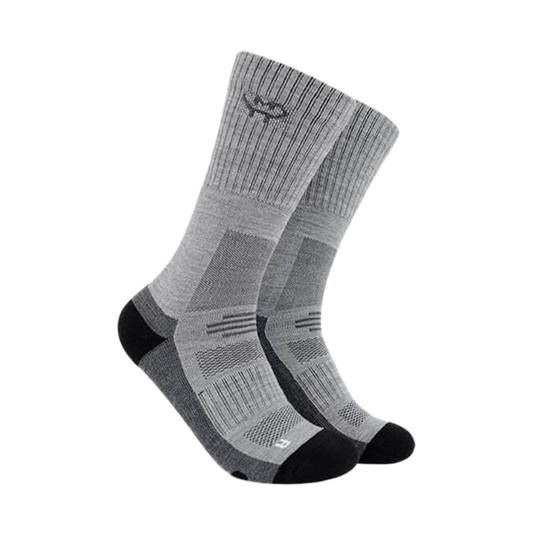
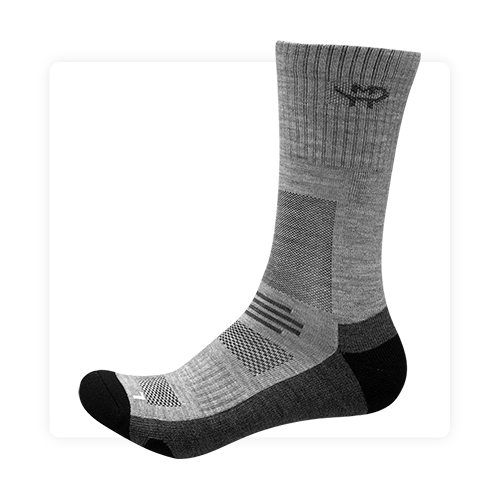
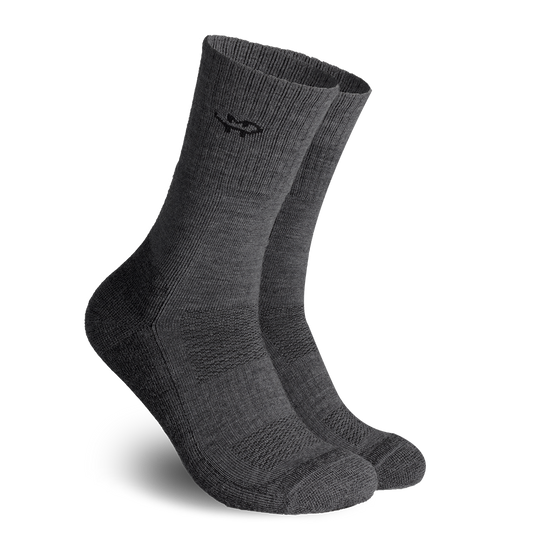
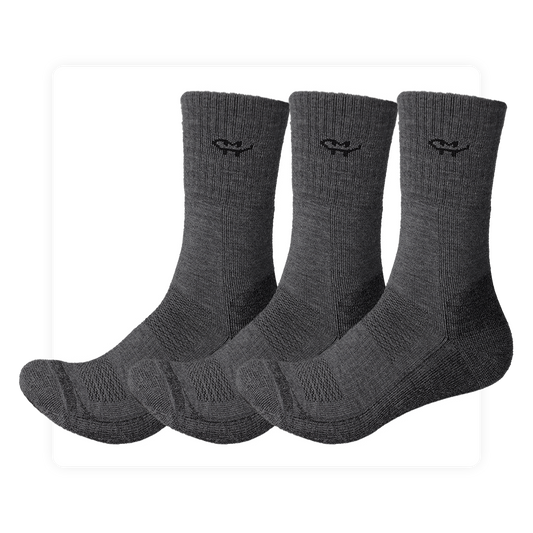
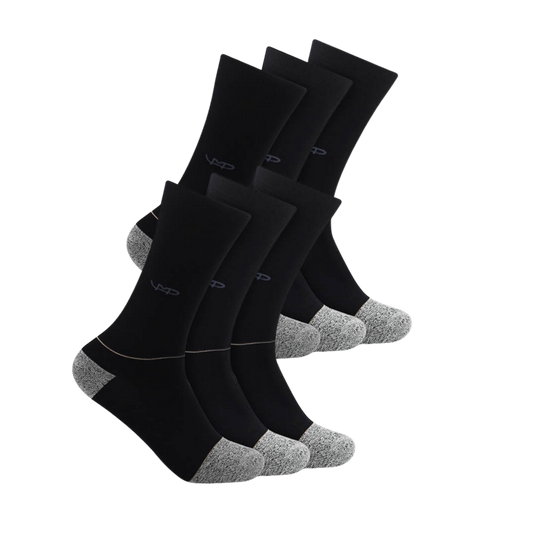
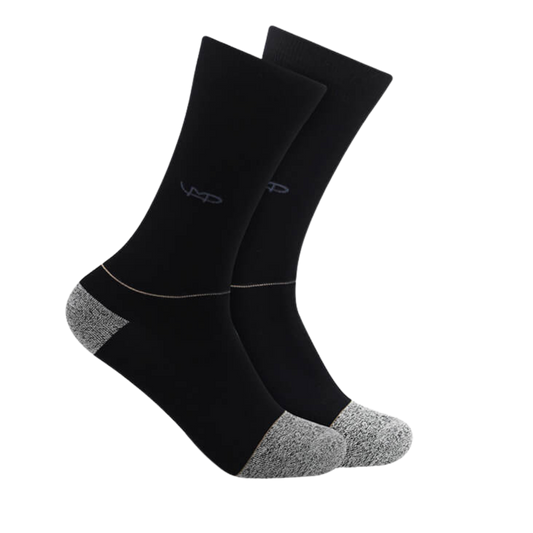
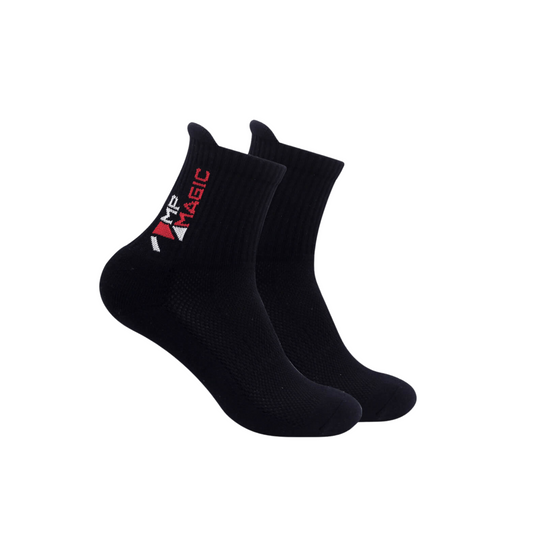
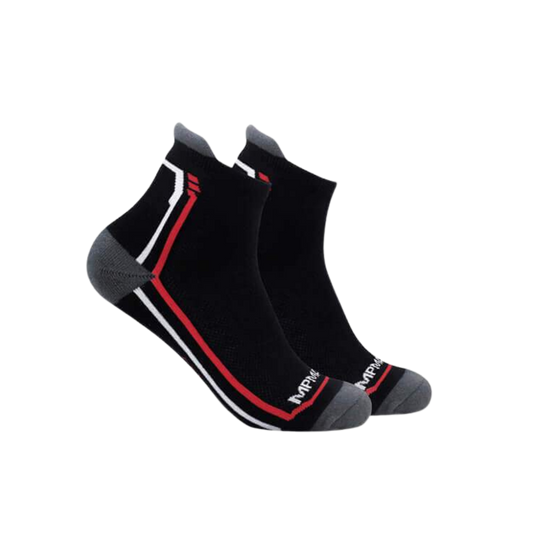
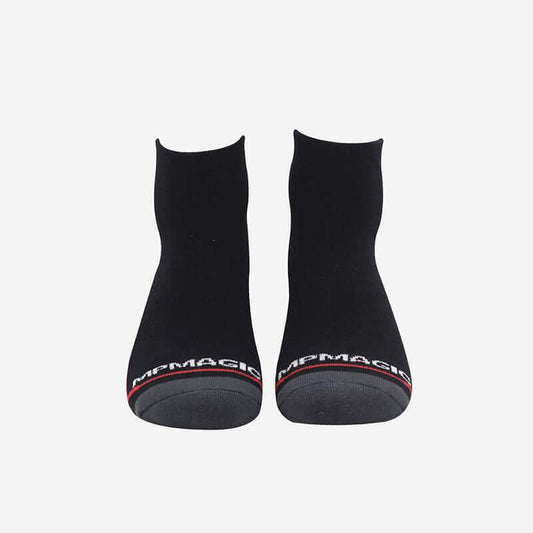
Our Supima Cotton Crew Socks pair a soft cotton-rich feel with nylon and Lycra for an everyday crew. They are an option for casual shoes and office outfits when you prefer cotton. Use the product chart and check the thickness with your footwear.

Care for the Finished Blend
Use the sock's care label rather than a generic cotton rule. Blended yarns, dyes and elastic components are part of the product too. Our Supima care instructions specify no bleach, so a white pair should not be treated as bleach-safe simply because it contains cotton.
Handle cuffs gently and let pairs dry fully before returning them to the drawer. When deciding whether a pair is worn out, assess the underlying knit and fit rather than assuming a premium fiber makes it immune to ordinary wear.
Frequently Asked Questions
Is Supima cotton different from Pima?
The terms overlap in cotton type, but Supima is a specific trademark and licensing designation. Do not use the names interchangeably for every product.
Does Supima mean 100% cotton socks?
No. Read the complete composition. The cotton component can be Supima while nylon or stretch yarns form part of the finished blend.
Is Supima the same as Egyptian cotton?
No. Supima refers to American-grown extra-long staple cotton under its trademark system. Egyptian cotton is an origin description.
Is upgrading worth it?
It can be if you enjoy the actual pair's softness and fit and its care suits you. Compare the finished sock instead of paying for the label alone.