A drawer full of socks can still leave you searching for a clean pair on Monday morning. Some belong to shoes you rarely wear, a few no longer fit well, and the workout pairs are waiting for laundry. Meanwhile, someone with a much smaller collection may get through the same week without thinking about it.
The useful number depends on your routine. This guide shows how to calculate how many pairs of socks you need from washing, drying and separate activities, with examples you can adapt before buying anything new.
Key Takeaways
- Count wear occasions until washed socks will be clean and fully dry.
- Add separate workout or wet-weather changes only where you actually need them.
- Include a small buffer for delays, then subtract the useful pairs you already own.
- The goal is a working rotation, not a larger drawer.
The Basic Formula
Useful pairs needed = daily changes before laundry is ready + additional activity changes + a small buffer.
Start by counting days until you can reuse the washed pairs. If you wash on Sunday evening but the socks are not dry until Tuesday, Monday still needs a clean pair from the drawer. Count the gap honestly rather than treating wash day as the instant the rotation resets.
For everyday planning, allow a clean pair for each day and a change sooner if socks become damp or dirty. Then count only additional wear occasions: a separate gym session, a muddy outing or a work shift that regularly requires a fresh pair.
Three Worked Examples
| Routine | Calculation | Example rotation |
|---|---|---|
| Daily wear; clean laundry ready every seven days | 7 daily pairs + 1 buffer | 8 pairs |
| Same interval; three separate workouts | 7 daily + 3 workout + 1 buffer | 11 pairs |
| Daily wear; clean laundry ready every four days | 4 daily + 1 buffer | 5 pairs |
These are examples, not minimum ownership rules. A buffer of one may be enough for a reliable home routine; someone with irregular shifts or limited laundry access may prefer two. If a workout replaces your normal daily wear rather than creating another change, do not automatically count the occasion twice.

Separate the Jobs Your Socks Need to Do
Everyday shoes
Count pairs that fit the shoes you actually wear most days. A drawer of thick crews does not cover a week of fitted office loafers if none feels comfortable inside them. Conversely, a collection of low liners may not suit the collar of a work boot.
Activities with separate changes
Keep enough suitable pairs for the number of sessions between laundry days. If you run three times before the next wash, three activity pairs may serve the routine. There is no need to build separate golf, walking and travel piles if the same appropriately fitted pair does those jobs comfortably.
Occasional outfits
A formal shoe or seasonal boot may need a particular thickness or height, but the number should reflect how often you use it. One sound occasional pair can be more useful than several duplicates that rarely leave the drawer.
Audit the Drawer Before Buying
- Pair the socks you own and set aside unmatched singles temporarily.
- Check heels, toes and cuffs for thinning, holes and lost recovery.
- Try uncertain pairs with the shoes they are meant to serve.
- Count the comfortable, useful pairs in each role.
- Compare that count with your calculated rotation and fill only a real gap.
A cosmetically imperfect but comfortable pair may still count. A new-looking pair that bunches or pinches should not inflate your useful total. Our sock condition guide helps separate surface pilling from structural wear.
Adjust for Travel and Drying Delays
A trip can interrupt the routine that makes your home rotation work. Count the days before laundry will be ready at the destination, and protect a clean spare from wet clothes. You may be able to use existing everyday pairs without buying a separate travel collection.
Our walking guide helps check the footwear combination for a sightseeing day. For any pair you plan to hand wash, test the care routine before relying on it away from home. Drying depends on the conditions and the finished knit.
Keep the Rotation Easy to Use
Store clean, fully dry pairs where you can see them. Keep occasional styles separate from daily ones if that makes the count clearer. Similar-looking pairs are convenient only if their sizes and constructions are compatible; do not force two different socks into a pair because their colors match.
Review the count after a few laundry cycles. If you repeatedly run out one day early, identify why. A single extra pair or a change to laundry timing may solve the problem. If many pairs remain untouched, you probably do not need to expand the collection.
Build Around Comfortable Daily Pairs
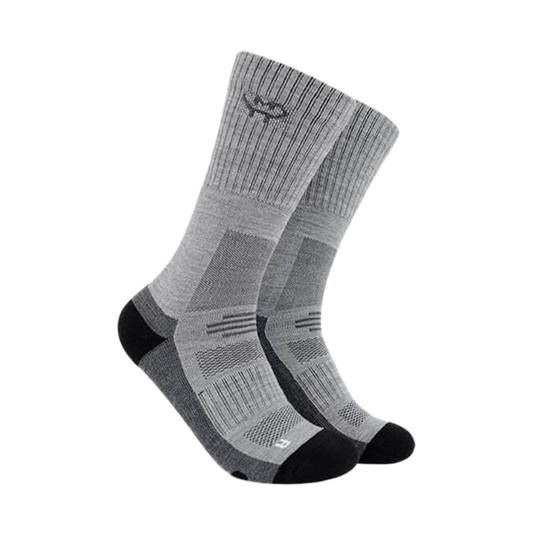
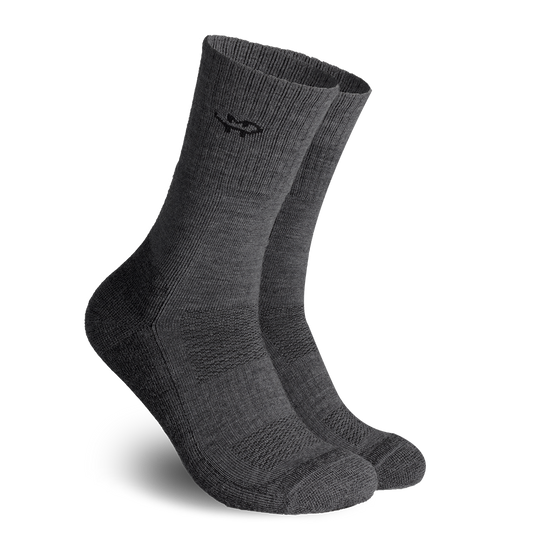
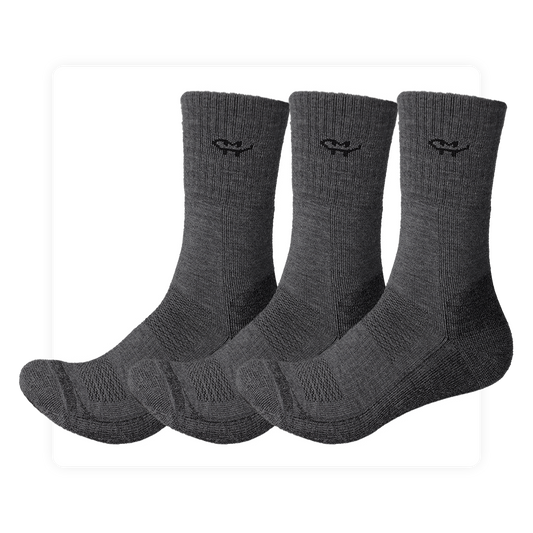
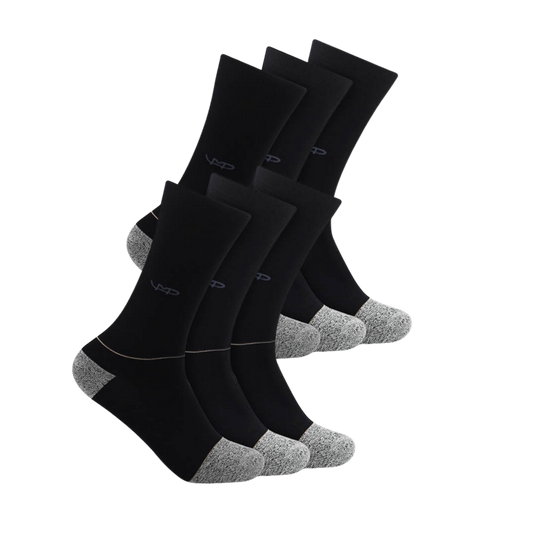
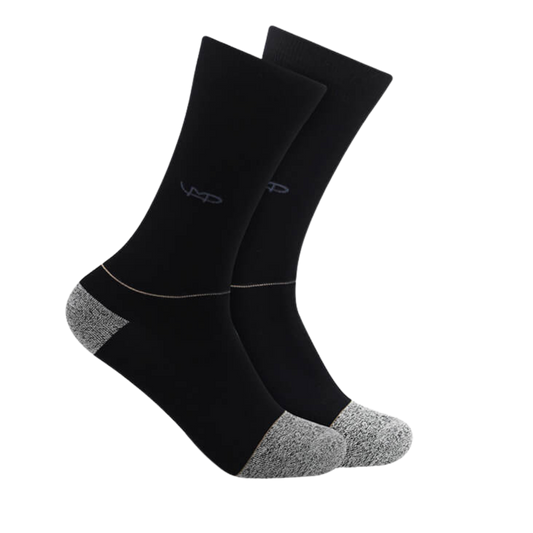
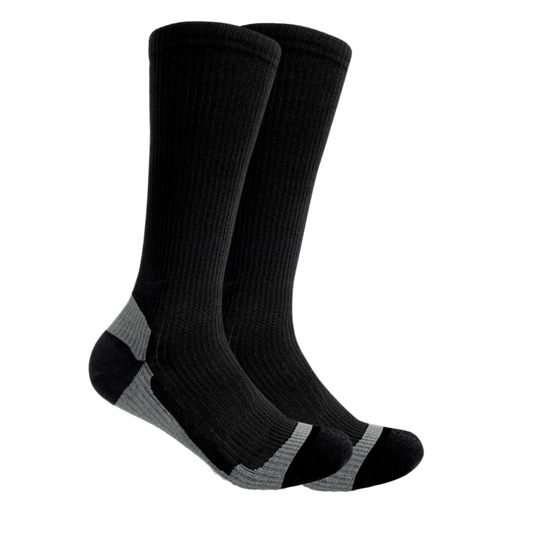
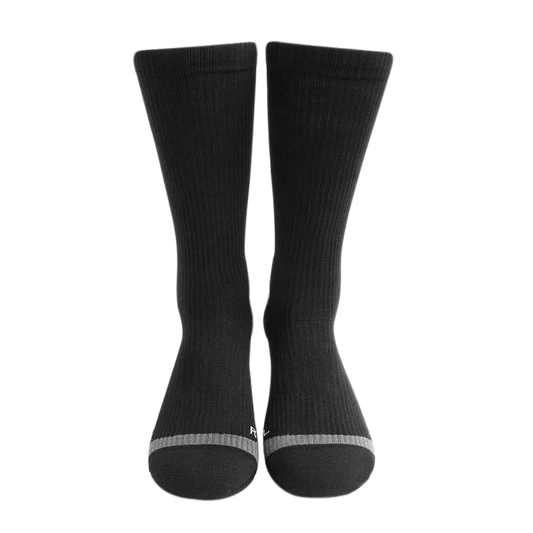
Our Supima Cotton crews suit a cotton-rich everyday rotation. If you prefer cushioned wool, consider our Classic 2.0 Merino crews. Choose around the shoes and care routine you have already checked.

Frequently Asked Questions
Is ten pairs enough?
It can be, but the answer depends on laundry readiness and extra activities. Use the calculation rather than treating ten as a universal target.
Do men and women need different numbers?
The count comes from wear occasions, footwear and laundry access. Gender alone does not set the size of a useful rotation.
Do I need one pair for every activity?
You need enough clean, suitable pairs for the activities before laundry returns. One design can cover several roles if its fit and construction work for them.
Should I replace the whole drawer at once?
Usually there is no reason to discard sound pairs. Replace failures and fill practical gaps after checking what you already own.