Best Compression Socks for Nurses and Long Shifts


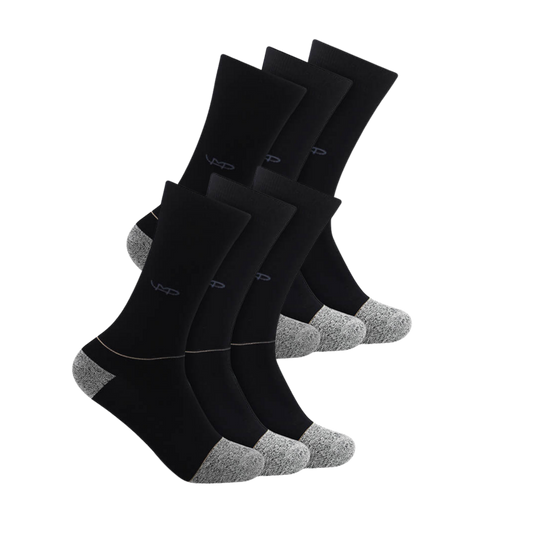
The best compression socks for nurses fit comfortably from ankle to calf, work with the shoes you wear on shift, and provide a stated pressure level when you need graduated compression. Sockwell’s Women’s Circulator and Comrad’s Knee-High Compression Socks are two options with a published 15–20 mmHg rating. If you prefer a simple black sock under scrubs, our MP Magic Compression Merino Wool Knee-high Socks pair a TACTEL® and Merino blend with mesh ventilation, plus three- and six-pair packs to keep your workweek rotation ready.
A busy ward, a warm clinic, and a cool operating room can make the same sock feel quite different. Here is how we would choose nursing compression socks around your working day, with room for your own preferences and any clinical advice you have received.
Key Takeaways
- Start with fit, shoe space, and a suitable pressure rating. A stronger squeeze is not automatically a better choice for a longer shift.
- Sockwell suits readers who want a Merino blend and light cushioning; Comrad offers a thin nylon option. Both publish 15–20 mmHg graduated compression.
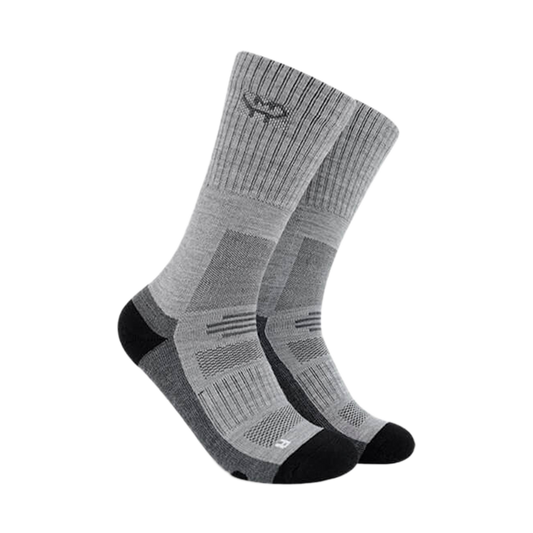
- Our MP Magic knee-high socks combine TACTEL®, Merino Wool, and spandex in a simple black style, with three- and six-pair packs for regular shift changes.
- A fresh pair for each shift and enough time to wash and dry your socks make a useful rotation.
Three Options To Compare
Start with what matters most in your work shoes: a little cushioning, a thinner feel, or a Merino blend for your everyday rotation. These three styles offer different ways to build a practical sock drawer for your shifts.
| Option | A Good Fit For | Why Consider It | Main Fit Consideration |
|---|---|---|---|
| Sockwell Women’s Circulator | A defined 15–20 mmHg option | Merino blend; ultra-light sole cushioning | Follow the women’s size chart; wool-sensitive wearers may prefer another fiber |
| Comrad Knee-High Compression Socks Solid | A defined 15–20 mmHg option | Thin, moisture-wicking nylon construction | Match the manufacturer’s sizing to your foot and calf |
| MP Magic Compression Merino Wool Knee-high Socks | A Merino-blend workwear rotation | Black knee-high style; TACTEL® and Merino blend | Check the size chart; the women’s range starts at US 9–9.5 |
Sockwell Women’s Circulator For A Merino Blend

Sockwell Women’s Circulator compression sock in grey with multicolored stripes
For nurses who like a little softness underfoot without a bulky sole, Sockwell’s Women’s Circulator is a useful starting point. It combines 32% Merino Wool, 31% bamboo rayon, 32% stretch nylon, and 5% spandex, with ultra-light cushioning and a seamless toe closure. Its graduated compression is rated at 15–20 mmHg.
We would shortlist it for someone who enjoys wool blends and prefers a patterned sock under scrubs. The light sole is worth considering when your work shoes already have substantial cushioning. If wool tends to irritate your skin, a synthetic alternative may feel more comfortable. The Women’s Circulator chart covers US women’s 4–7.5 in S/M and 8–11 in M/L.
Comrad Solid Knee-High Socks For A Thin Nylon Feel

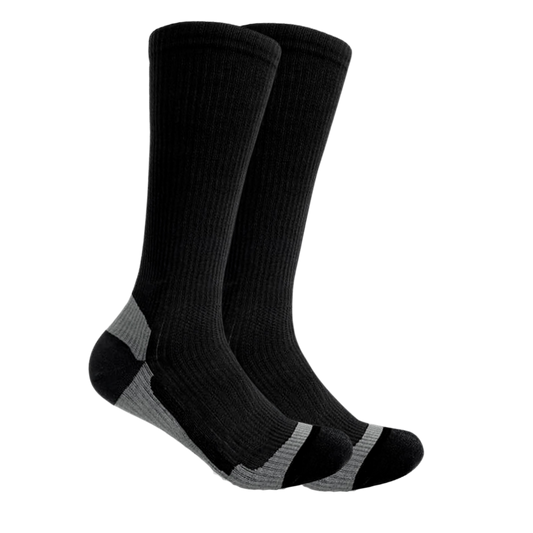
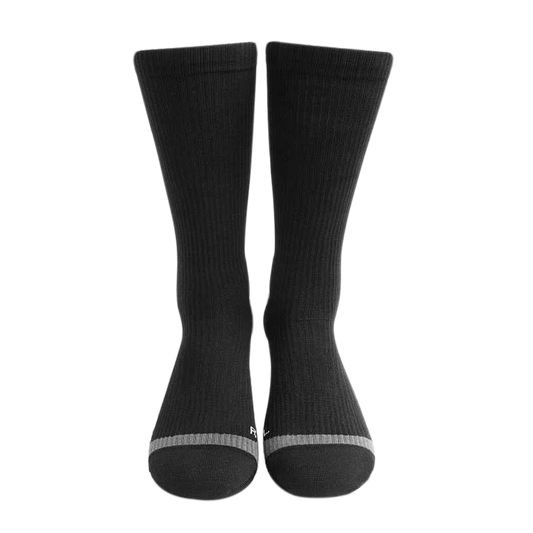
Comrad black knee-high compression socks laid flat
Comrad’s Knee-High Compression Socks in Solid are a practical option when you prefer a simple color and less bulk in your shoe. Their thin, moisture-wicking nylon construction is paired with 15–20 mmHg graduated compression.
That combination makes them worth considering for warmer working environments or close-fitting sneakers. A thin sock leaves more of the cushioning job to your footwear; if you prefer a plush layer under your heel, include sole thickness in your comparison. Choose the size from Comrad’s own guide, as a familiar shoe size in another brand does not guarantee the same calf fit.
MP Magic For Merino Comfort In An Everyday Work Sock

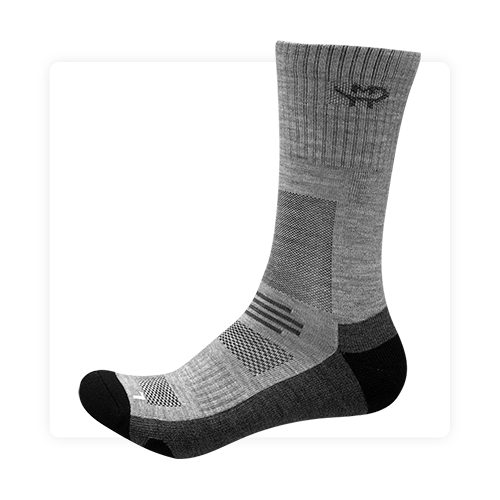
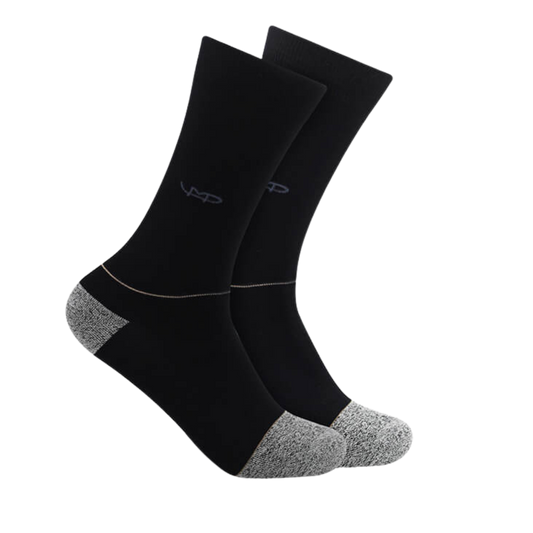
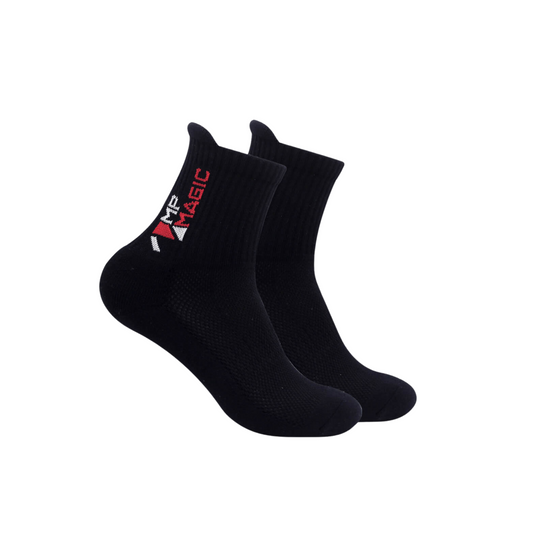
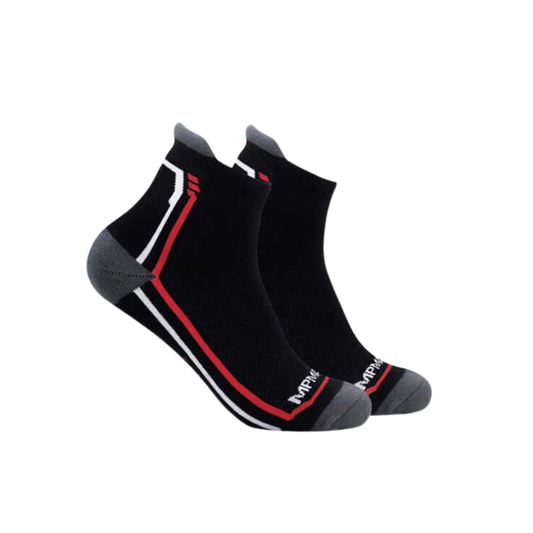
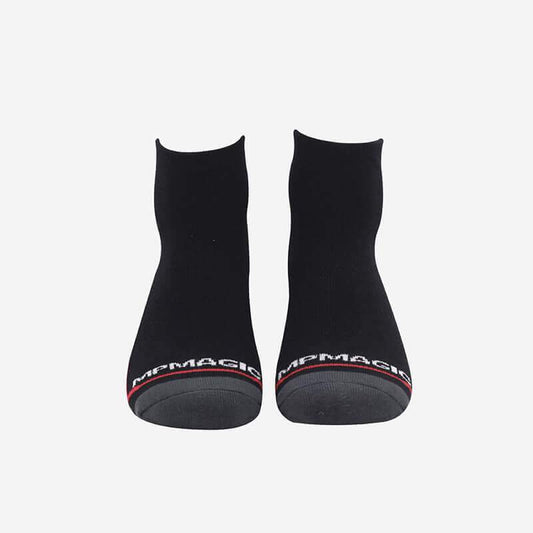
MP Magic black compression Merino Wool knee-high socks with grey toes and heels
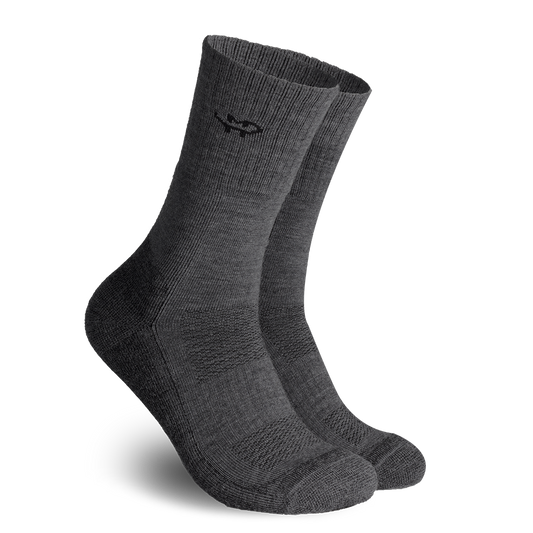
For readers who want a simple black knee-high sock with Merino in the foot area, our MP Magic Compression Merino Wool Knee-high Socks combine 78% TACTEL®, 16% Merino Wool, and 6% spandex. The nylon-led blend and mesh ventilation give this style an everyday workwear focus, while the knee-high length provides coverage beneath scrub trousers.
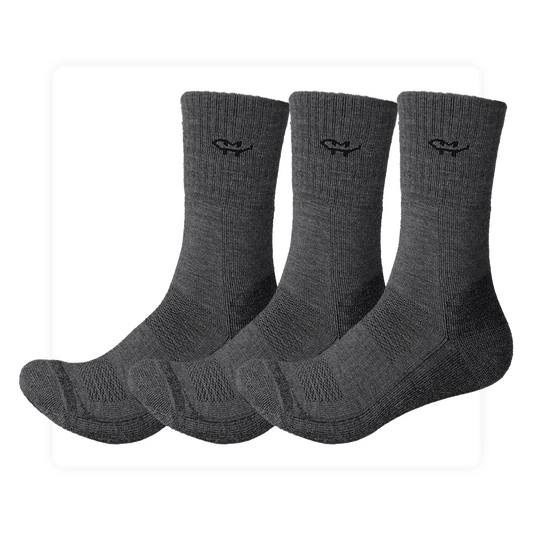
The simple black design is easy to pair with scrubs, while our three- and six-pair packs help you keep a clean pair ready between laundry days. Choose three pairs for a smaller rotation, or six if you prefer to do the week’s washing together. Check the fit before choosing a pack: our women’s size range starts at US 9–9.5, so this style is better suited to larger foot sizes.
How To Choose Compression Socks For Long Shifts
Begin with the part of your current setup that feels uncomfortable. A cramped toe box, a slipping cuff, and a damp sole call for different changes.
Pressure That Matches Your Needs
An mmHg number describes pressure in millimeters of mercury. Graduated compression is designed to apply more pressure around the ankle, decreasing farther up the leg. A knee-high shape alone does not establish that pressure profile.
A 15–20 mmHg label gives you a defined product specification to compare. Whether that level is right for you depends on your circumstances. If you have been prescribed compression, use the specified pressure and fit; shift length by itself is not a reason to move to a stronger pair. For the wider category, our guide to compression socks for men covers work and travel considerations.
Enough Room In Your Shoes
Try your socks with your actual work shoes and insoles. Your toes should have room to move, the heel should sit in its shaped pocket, and the fabric should lie smoothly beneath the foot. Extra cushioning can feel pleasant in a roomy shoe but take up too much space in a snug one.
For clogs, pay particular attention to heel movement as you walk. For sneakers, lace them as you normally would on shift. A sock that seems comfortable barefoot can feel different once the shoe adds pressure around the foot.
A Cuff That Sits Comfortably Below The Knee
Use the brand’s measurements, including ankle and calf circumference when requested. Keep the cuff below the knee crease and smooth out folds along the leg. Rolling the top into a tight band changes how the sock sits and can make it uncomfortable.
If a pair repeatedly slides down, bunches at the ankle, or pinches behind the knee, revisit the size or leg length. Pulling it harder will not solve a mismatch. Our knee-high sock fit guide explains how length and everyday wear fit together.
A Practical Routine Before And After Your Shift
Put the socks on with enough time to settle the heel, smooth the fabric, and walk around in your shoes. A short trial on a non-work day is useful before relying on a new pair for a full shift.
- Start with clean, dry skin and gently gather or turn the sock toward the heel.
- Position the foot and heel, then ease the fabric up the leg in stages.
- Smooth the ankle and calf, leaving the top flat below the knee.
- Walk, sit, and bend your knee to check the fit before leaving home.
Guy’s and St Thomas’ NHS guidance on compression stockings describes similar application steps and advises keeping the fabric free of folds. For prescribed stockings, follow your own care team’s wearing schedule. Most everyday daytime routines finish when you take the socks off for sleep, unless your clinician has instructed otherwise.
Have a spare pair available if your socks become damp. When breaks allow, changing position and moving your ankles can also make a long day more comfortable. Socks are one part of that routine alongside footwear, rest, and appropriate care for persistent symptoms.
Washing And Rotating Your Work Socks
A fresh pair each shift is a good habit, even when a sock includes odor-control features. Plan your rotation around how often you actually do laundry: enough pairs for the shifts between washes, plus a spare, is more useful than buying a large pack that fits poorly.
Follow the care instructions for each style. Our MP Magic knee-high socks allow a wash temperature up to 40°C and low-temperature tumble drying. Sockwell permits warm machine washing and low-heat drying, and also offers cold washing and air drying as a gentler option. Prescribed hosiery may have different instructions, so keep its care routine separate.
Replace socks when holes, thinning fabric, or lost elasticity affect the fit. For medical hosiery, follow the replacement schedule given by your provider rather than judging its remaining pressure by feel alone.
When To Ask For Individual Advice
If you have poor arterial circulation, reduced sensation, an active skin problem, or a condition that affects your legs or feet, discuss compression with a qualified clinician before choosing a pair. Get new or persistent swelling assessed rather than trying successively tighter socks.
Remove a garment and seek advice if it causes new numbness, unusual pain, or a change in skin color. Dorset County Hospital’s compression-garment guidance includes advice on fit, skin checks, and changes in sensation. A sock should not be treated as protection against infection or a replacement for professional assessment.
Frequently Asked Questions
Are Knee-High Work Socks Always Compression Socks
No. Knee-high describes the length. Graduated compression also needs a defined pressure profile, usually stated in mmHg. Everyday knee-high socks can be chosen for coverage and comfort without serving the same purpose as prescribed hosiery.
Can I Wear Compression Socks For A 12-Hour Shift
A suitable pair may fit into your working routine, but there is no universal 12-hour rule for every wearer or product. Follow the manufacturer’s directions and any clinical advice, and respond to discomfort instead of pushing through it.
Are Merino Or Synthetic Socks Better For Nursing
It depends on the feel you prefer, your shoes, and the room temperature. A Merino blend is worth considering if you enjoy wool next to your skin; a thin synthetic sock may suit a closer-fitting shoe. Pressure and fit remain separate decisions from fiber choice.
How Many Pairs Should A Nurse Buy
Begin with a pair that fits well. Once you know the style suits you, buy enough for a clean pair on each shift between laundry days, with a spare for unexpected dampness or a delayed wash.
Choose Around Your Working Day
Choose Sockwell if you prefer a patterned Merino blend with a little cushioning, or Comrad if you want a thin nylon sock for close-fitting work shoes. For a simple black style with Merino in the foot area, our MP Magic knee-high socks make a practical addition to your workwear rotation, with multipacks that simplify laundry planning. Start with the right size and the feel you enjoy wearing; if compression has been prescribed, follow your clinician’s pressure and fit requirements.