Merino Wool Socks: Benefits, Uses, Care Tips, and How to Choose


Merino wool socks are popular for a simple reason: they can feel comfortable across a wider range of conditions than many ordinary socks. Fine Merino fibres help manage moisture vapour, temperature, and odour, while a well-designed blend can add stretch, shape retention, and abrasion resistance.
That does not mean every Merino sock is the same. Fibre percentage, yarn blend, cushioning, height, fit, and care instructions all affect how a pair feels and how long it lasts. This guide explains the benefits and trade-offs, then helps you choose among the Merino wool socks currently available from MP Magic.
Quick Answer: Are Merino Wool Socks Worth It
For many people, yes—especially when comfort across changing temperatures, moisture management, and odour control matter. They are particularly useful for travel, daily wear, outdoor use, and long days in shoes. The trade-offs are a higher price than basic cotton socks, the possibility of surface pilling, and the need to follow the care label.
Key Takeaways
- Merino wool socks are best known for fine-fibre comfort, moisture-vapour management, temperature versatility, and natural odour resistance.
- Construction matters as much as wool percentage: nylon can improve abrasion resistance, and Lycra or elastane supports stretch and recovery.
- Choose the weight, height, cushioning, and fit for the shoe and activity.
- Follow each product’s care label; gentle washing and low heat can help reduce shrinkage, felting, and pilling.
What Is Merino Wool
Merino wool comes from Merino sheep and is valued for its relatively fine fibres. Fine fibres bend more easily against the skin than coarse wool, which is why Merino can feel soft enough for next-to-skin clothing.
Wool’s internal structure can absorb and release moisture vapour, while the natural crimp in the fibre helps trap insulating air. Woolmark’s fibre guide describes these properties as the basis of wool’s breathability, temperature management, elasticity, and odour resistance.

For socks, Merino is commonly blended with nylon and elastane or Lycra. The wool contributes comfort and moisture management; the supporting fibres help the sock stretch, recover its shape, and withstand repeated wear.
What Are The Benefits Of Merino Wool Socks
1. Soft, Next-To-Skin Comfort
Merino fibres are finer and more flexible than many traditional wool fibres. A smooth yarn, flat seams, accurate sizing, and cushioning in pressure areas also influence comfort, so fibre type should be considered together with sock construction.
2. Temperature Management In Changing Conditions
Merino does not literally heat or cool the foot. Instead, its crimped structure can hold insulating air, and its moisture-vapour management can help the microclimate next to the skin feel more stable. That makes Merino useful in cool weather and also practical for year-round wear when the sock is not overly thick.
3. Moisture Management
Wool is hygroscopic: it can take up moisture vapour within the fibre and later release it. This is different from promising “sweat-free” feet. Shoes, activity level, fit, and ventilation still matter, but a suitable Merino sock can reduce the clammy feeling associated with moisture sitting next to the skin.
4. Natural Odour Resistance
Wool fibres can bind some odour-causing molecules until the garment is washed. This can help socks stay fresher between washes, which is useful for travel and long days. Odour resistance is not the same as being germ-proof, and socks should still be changed and washed according to use.
5. Stretch, Recovery, And A More Secure Fit
Natural fibre crimp contributes elasticity, while Lycra or elastane in a blend helps the sock return to shape. A secure cuff and correctly placed stretch can reduce slipping and bunching. The best result still depends on choosing the correct size.
6. Durability When Wool Is Supported By A Blend
Pure wool is not always the best answer for a hard-wearing sock. Nylon reinforcement, denser knitting, and reinforced heel or toe zones can improve abrasion resistance. Some pilling can occur because loose surface fibres rub together; following the care instructions and avoiding excessive heat or agitation can help.
What Are The Disadvantages Of Merino Wool Socks
- They usually cost more than basic cotton or polyester socks.
- Some wearers still find wool uncomfortable, especially if the yarn is coarse or the fit is tight.
- Surface pilling can develop with friction and washing.
- High heat, bleach, and unsuitable detergents can shorten the life of the fibres.
- A high Merino percentage does not automatically guarantee the best fit or durability; construction matters.
Best Uses For Merino Wool Socks
- Everyday and office wear: choose a lighter or midweight crew sock that fits your shoes without crowding the toes.
- Travel: odour management and comfort across temperature changes can be useful on long days.
- Hiking and outdoor use: look for secure fit, cushioning, and reinforced high-wear zones.
- Cool-weather wear: a midweight or cushioned pair can add insulation without relying on bulky layers.
- Long periods of standing: prioritize correct sizing, a stable cuff, and cushioning. Choose compression only when it suits your needs.
How To Choose Merino Wool Socks
Choose The Right Weight
Lightweight socks fit more easily in everyday shoes and can work well in warmer conditions. Midweight or cushioned socks provide more insulation and impact protection but require more room inside the shoe.
Check The Blend, Not Only The Wool Percentage
A high Merino content can increase the wool feel, but nylon and stretch fibres have useful jobs. Compare the full fabric composition and construction rather than choosing by one percentage alone.
Match The Height To The Footwear And Activity
Crew socks are versatile for daily wear, boots, and many outdoor uses. Knee-high socks provide more lower-leg coverage; compression versions should be selected by size and intended use rather than treated as a universal choice.
Look For Fit And Construction Details
Check the size chart, cuff design, heel placement, seams, ventilation zones, cushioning, and reinforcement. A technically impressive fibre cannot compensate for a sock that is too loose, too tight, or too bulky for the shoe.
Which MP Magic Merino Wool Socks Should You Choose
| Product | Best For | Material & Key Features |
|---|---|---|
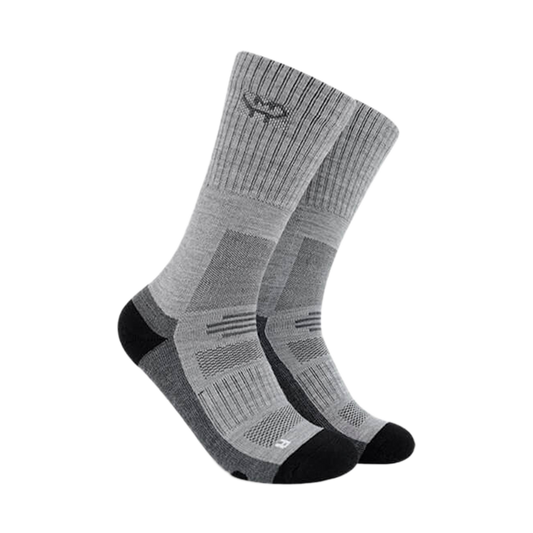
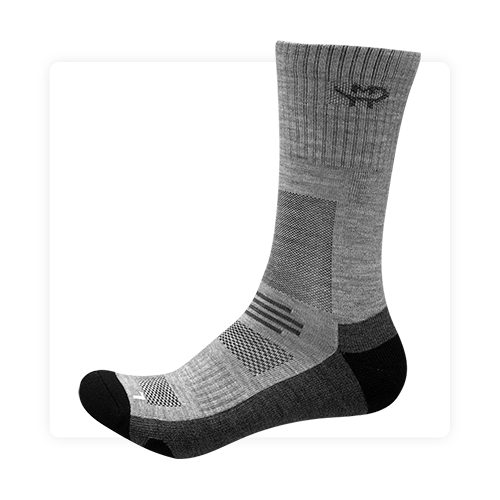
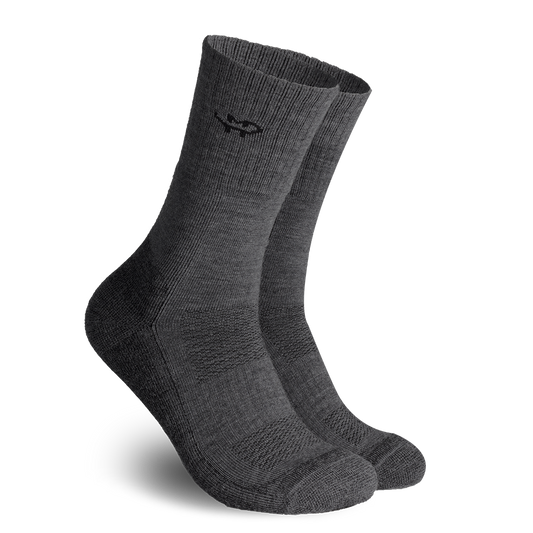
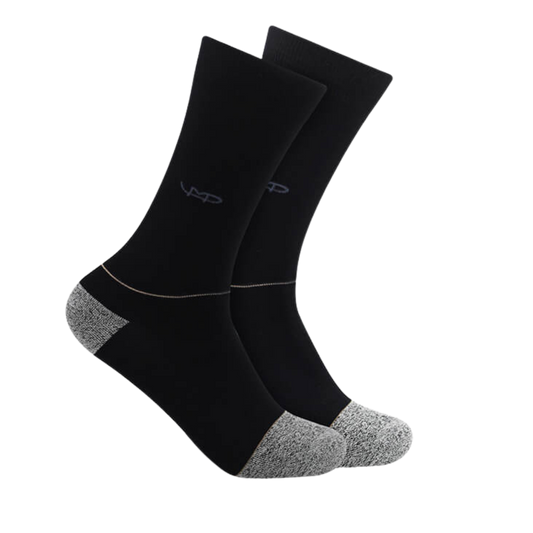
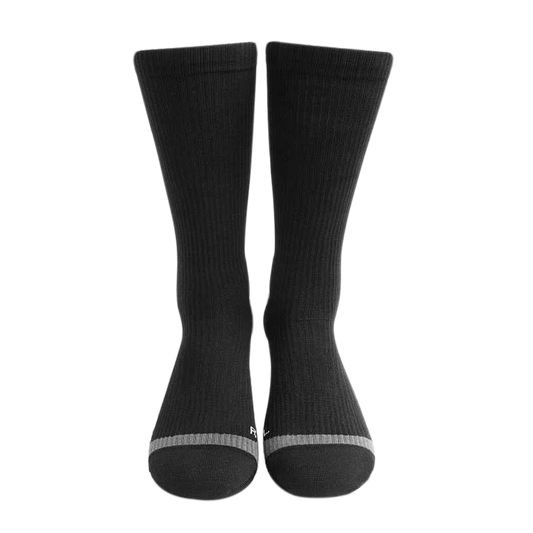
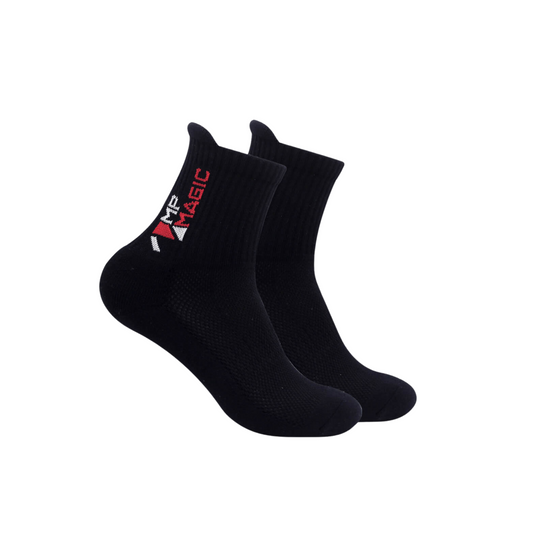
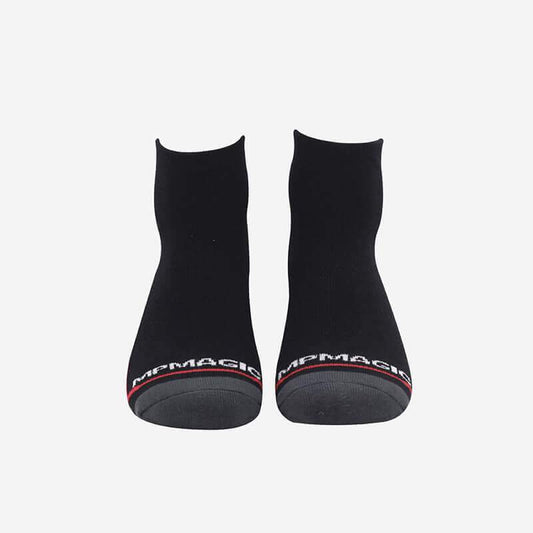
| Classic Basic Merino Wool Crew Socks | Trying a single pair or choosing a simple cushioned crew sock for business, workouts, travel, and daily wear. | 82% Merino wool, 13.5% MP Special Yarn (nylon), and 4.5% Lycra. Features mesh ventilation and targeted cushioning. |
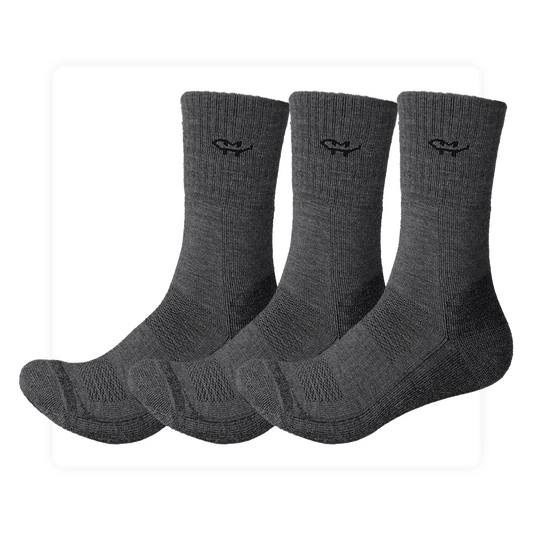
| Classic Merino Wool Crew Socks (3 Pairs) | A multipack with broader size and colour choices. | 80% Merino wool, 13.5% MP Special Yarn (nylon), and 4.5% Lycra. Features mesh ventilation, targeted cushioning, a more secure top, and added durability at the heel. |
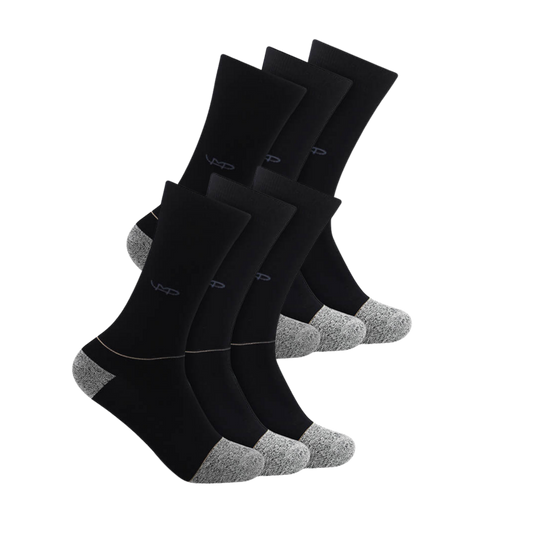
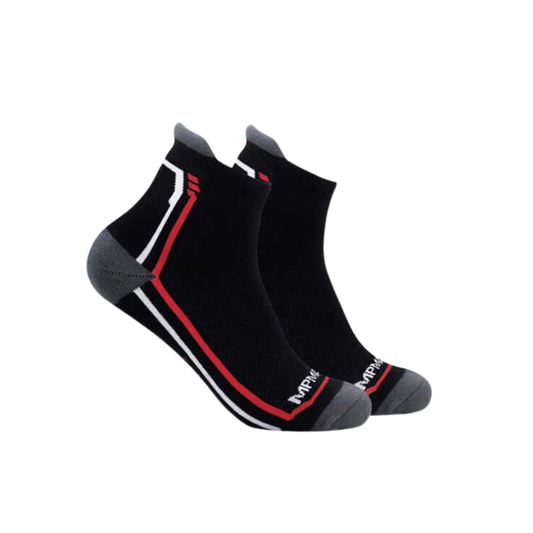
| Lightweight Merino Wool Crew Socks (6 Pairs) | Business and everyday wear when a standard Merino sock feels too thick. | 74% Merino wool, 25% MP Special Yarn (nylon), and 1% Lycra. Features a lightweight crew construction and mesh ventilation. |
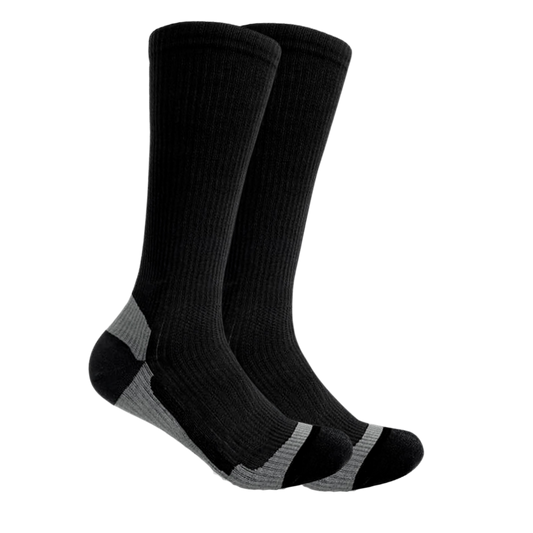
| Compression Merino Wool Knee-High Socks | Shoppers specifically looking for knee-high coverage combined with compression. | 78% TACTEL® nylon, 16% Merino wool, and 6% spandex. Features a soft, lightweight construction, moisture and odour management, targeted support, mesh ventilation for added breathability, and machine-washable convenience. |

How To Wash Merino Wool Socks
Always follow the product care label first. Woolmark’s care guidance recommends a wool or gentle cycle for machine-washable wool, a mild neutral detergent, and low mechanical action.
The three MP Magic Merino crew product pages referenced above currently state a maximum wash temperature of 40°C, tumble dry low, do not bleach, do not iron, and do not dry clean. To limit friction and heat exposure, turn socks inside out, close any rough fasteners in the load, and air-dry or flat-dry when practical. See the full wool-sock care guide for a more detailed routine.
Frequently Asked Questions
Are Merino Wool Socks Only For Winter
No. Weight and construction matter. Lightweight Merino socks can suit daily, business, and travel use across seasons, while thicker cushioned styles are better for cold weather or roomy footwear.
Do Merino Wool Socks Stop Feet From Sweating
No sock can stop normal perspiration. Merino can manage moisture vapour and may feel less clammy, but shoe ventilation, activity, climate, and fit remain important.
Do Merino Wool Socks Smell Less
Wool naturally manages odour better than many fibres by binding some odour molecules until washing. Results vary with use, and the socks still need regular laundering.
Are Higher Percentages Of Merino Always Better
Not necessarily. More wool can change softness and warmth, but supporting fibres improve stretch and durability. The right balance depends on the activity, desired thickness, and construction.
Can Merino Wool Socks Go In The Washing Machine
Only if the label says they are machine washable. Use the specified temperature and cycle. MP Magic’s current Merino crew listings identify the products as machine washable and provide product-specific care instructions.
Final Thoughts
The strongest reason to choose Merino wool socks is not a single dramatic claim. It is the combination of fine-fibre comfort, moisture-vapour management, temperature versatility, and natural odour resistance. A thoughtful blend and good construction can then add the fit and durability a sock needs in real life.
Start with your use case: lightweight for everyday shoes, cushioned crew socks for versatile wear, or knee-high compression when that specific format is appropriate. Then check the size chart, composition, and care label before buying. Browse the four current MP Magic Merino options above to compare the fit and construction that best match your needs.